Repmold: A Modern Approach to Fast and Precise Mold Manufacturing
Introduction
In today’s manufacturing world, speed, accuracy, and adaptability aren’t optional—they’re critical. Traditional mold-making often falls short, struggling to meet tight deadlines and high-quality expectations. That’s where Repmold comes in.
Repmold combines digital design, 3D printing, and advanced molding materials to produce molds faster, more precisely, and at a lower cost. From prototypes to small-batch production, it gives manufacturers—from startups to large factories—a flexible, modern solution that keeps them ahead of the competition.
What is Repmold?
Repmold is a digital replication molding system that helps manufacturers create accurate, repeatable molds quickly.
- It starts with a 3D digital design.
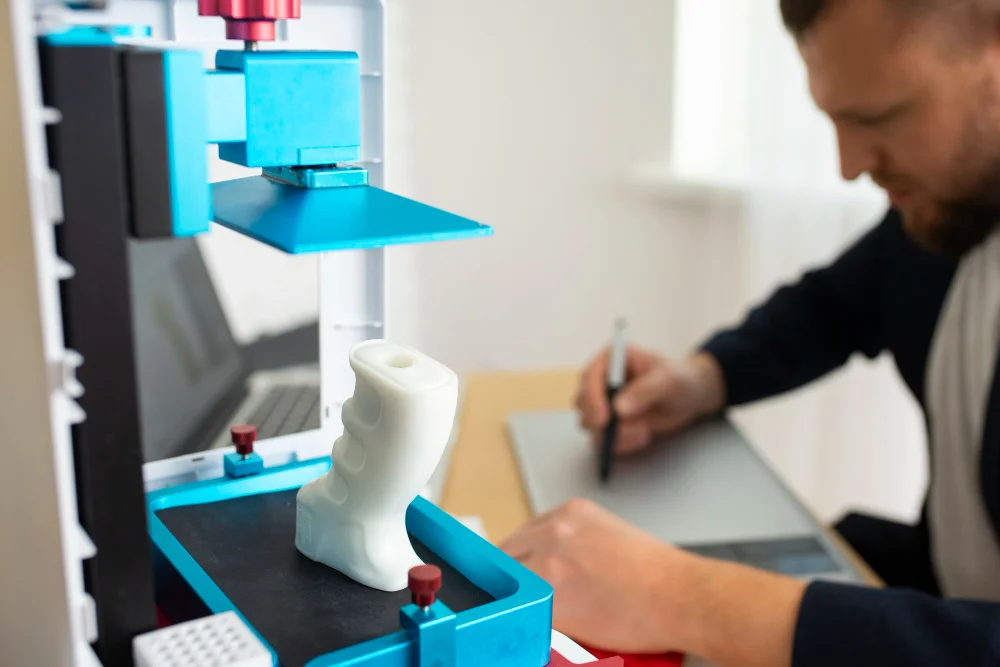
- Next, a physical master model is printed using 3D technology.
- A mold is then formed around this model using silicone, resin, or composite materials.
- Finally, the mold is used to produce identical parts efficiently.
Unlike traditional metal molds, which are costly and rigid, Repmold prioritizes speed, flexibility, and precision—making it perfect for rapid prototyping, testing, and low-volume production.
See also Understanding the Fabric Shrinkage Test Method with ChiuVention’s Fabric Shrinkage Tester
How Repmold Works
- Digital Design: Create a 3D model using CAD software or scanning.
- Master Model Production: 3D print the physical prototype.
- Mold Creation: Form the mold using silicone, resin, or composites.
- Replication: Cast final materials into the mold.
- Finishing & Testing: Polish, refine, and inspect the parts for quality.
This digitally controlled process ensures consistent results and drastically reduces lead times.
The Evolution of Repmold
Before digital tools, mold-making was slow, expensive, and inflexible. Metal tooling required weeks or months, and any design change meant starting from scratch.
With CAD software and 3D printing, engineers could now:
- Simulate designs before production
- Detect errors early
- Produce prototypes rapidly
Repmold emerged from this technological integration, delivering a faster, smarter, and more reliable mold-making solution for modern manufacturing.
Why Repmold is Important Today
Modern manufacturers face pressure to:
- Deliver products faster
- Reduce production costs
- Maintain high-quality standards
Repmold helps meet these demands by offering:
- Consistent, repeatable results
- Less material waste and fewer defective parts
- Shorter production cycles
- Lower tooling costs for startups and small teams
By removing reliance on expensive metal molds, Repmold allows businesses to innovate faster and respond quickly to market changes.
Key Features of Repmold Systems
- High Accuracy: Every mold is precise and consistent.
- Durability: Molds can be reused multiple times.
- Fast Production: Weeks saved compared to traditional methods.
- Material Versatility: Works with silicone, resin, polyurethane, plastics, rubber, composites, and metal-filled resins.
- Complex Designs: Handles intricate geometries easily.
- Easy Updates: Modify designs without restarting production.
Materials Compatible with Repmold
Repmold works with a wide variety of materials, including:
- Silicone
- Epoxy resin
- Polyurethane
- Plastics
- Rubber compounds
- Composites
- Metal-filled resins
This flexibility makes it suitable for industries like automotive, aerospace, medical devices, electronics, and education.
Best Practices for Successful Repmold
- Maintain optimal wall thickness
- Ensure smooth material flow
- Design efficient cooling channels
- Identify high-stress areas
- Use CAD simulations to detect potential issues early
Following these principles reduces redesign costs and ensures high-quality final molds.
How Repmold Boosts Efficiency
Repmold streamlines production and improves workflow:
- Fewer rejected parts
- Faster iteration cycles
- Better collaboration between design and production teams
- Clearer scheduling, budgeting, and operational planning
This efficiency helps manufacturers focus on innovation rather than production delays.
Industries Benefiting from Repmold
Repmold is widely adopted across:
- Automotive manufacturing
- Aerospace development
- Medical and dental applications
- Consumer product design
- Electronics components and housings
- Educational and research institutions
Its speed and adaptability make it especially valuable for rapid prototyping and low-volume production.
Repmold and Sustainability
Eco-friendly manufacturing is more important than ever. Repmold supports sustainability by:
- Using fewer raw materials
- Reducing production waste
- Consuming less energy
- Supporting reusable and recyclable materials
- Allowing localized production to reduce transport emissions
Limitations of Repmold
While Repmold is highly effective, it does have some constraints:
- Some materials may not handle extreme heat
- Large or high-volume molds can increase costs
- Basic CAD and 3D printing knowledge is needed
- Surface finishes may require post-processing
Continuous improvements in automation and materials are expanding Repmold’s capabilities.
The Future of Repmold
Repmold is evolving alongside smart manufacturing technologies:
- AI-assisted mold design optimization
- Smart sensors for real-time mold monitoring
- Eco-friendly and bio-based resins
- Faster, large-scale 3D printing
- Greater automation in production workflows
These advancements will make Repmold faster, smarter, and more scalable, securing its place in next-generation manufacturing.
FAQs About Repmold
Q: What is Repmold?
A: A digital manufacturing process using 3D design, printing, and advanced materials to create molds quickly and accurately.
Q: How is it different from traditional molding?
A: It’s faster, flexible, cost-effective, and ideal for prototyping and small production runs.
Q: Who can use Repmold?
A: Students, startups, designers, small factories, researchers, and large manufacturers.
Q: Which materials work best?
A: Silicone, epoxy resin, polyurethane, plastics, composites, rubber compounds, and metal-filled resins.
Conclusion
Repmold is redefining mold manufacturing by combining digital tools, 3D printing, and versatile materials. It offers faster production, lower costs, and reliable quality—whether for prototyping, testing, or low-volume production.As technology advances, Repmold will remain a cornerstone of efficient, sustainable, and future-ready manufacturing systems.