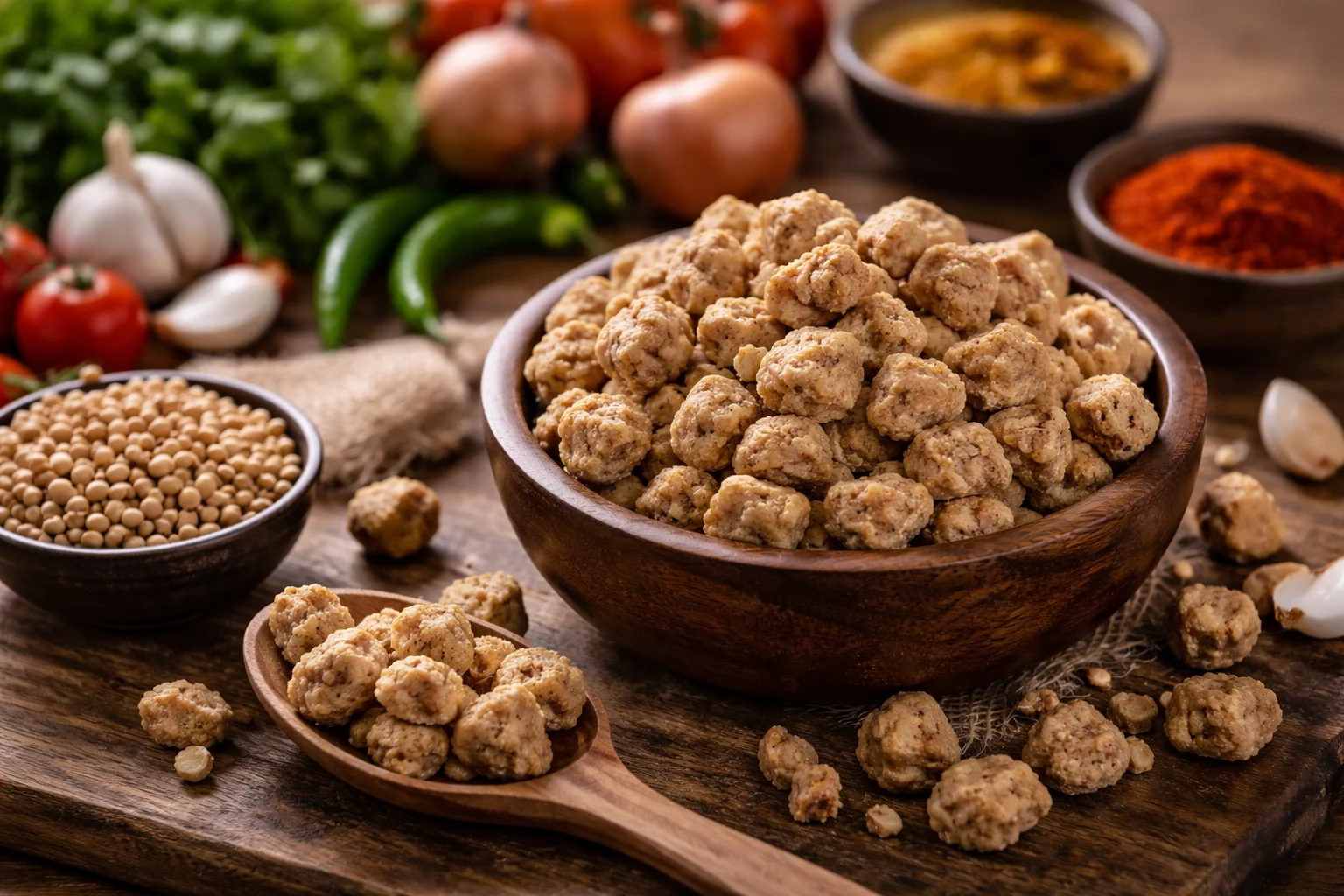
Insoya: Why This Ingredient Is Used So Differently Across Homes and Regions
The way insoya is used depends heavily on where you live, how you cook, and what problems food is expected to solve in your household. In some homes, it is a regular pantry item. In others, it is used only occasionally or avoided altogether. These differences are not random—they come from habits, access, expectations, and experience.
This article explores insoya from a regional and household-behavior point of view. Instead of focusing on preparation technique or nutrition, it explains how people decide to use insoya, why its role changes across kitchens, and what misunderstandings shape its reputation.
Insoya as a Household Decision, Not Just an Ingredient
Why some homes rely on it and others do not
Insoya is not adopted because of advertising alone. It is adopted when it solves a real household issue, such as:
- Feeding more people with limited ingredients
- Managing meals when fresh protein is unavailable
- Reducing frequent grocery trips
- Cooking for mixed dietary preferences
Homes that face these situations regularly are far more likely to keep insoya on hand.
See also Lufanest: How Culture Quietly Evolves Without Losing Its Soul
Habit matters more than opinion
Many people say they “like” or “dislike” insoya without using it often. In contrast, households that cook with it regularly rarely discuss preference. It becomes routine, not a debate.
This difference explains why opinions about insoya are often stronger among non-regular users.
How Regional Cooking Styles Shape Insoya Use
Regions with spice-forward cooking
In cuisines where flavor comes from spices, gravies, or sauces, insoya fits easily. It absorbs surrounding flavors and blends into existing dishes without drawing attention to itself.
In these kitchens, insoya is often:
- Mixed with vegetables
- Added to sauces
- Used in rice or bread-based meals
The ingredient adapts to the dish rather than defining it.
Regions with ingredient-forward cooking
In cooking styles where individual ingredients are meant to stand out, insoya struggles more. Its neutral taste can feel underwhelming if dishes rely on the natural flavor of the main ingredient.
In such kitchens, insoya is often viewed as:
- Too plain
- Too processed
- Lacking character
This is not a failure of the ingredient, but a mismatch of expectations.
Urban vs Rural Use Patterns
Urban households
In urban settings, insoya is often used for:
- Convenience
- Storage efficiency
- Busy schedules
People may use it intermittently, especially when cooking time is limited.
Rural or semi-rural households
In areas where bulk cooking and long-term storage matter, insoya is valued for:
- Shelf stability
- Predictable behavior
- Portion expansion
It becomes a practical food rather than a special one.
The Role of Insoya in Budget-Aware Cooking
Cost stability over time
One of insoya’s strongest advantages is predictable cost. Unlike fresh protein, it is less affected by seasonal price changes.
This allows families to:
- Plan meals confidently
- Avoid last-minute substitutions
- Maintain portion consistency
Cost stability often matters more than low price itself.
Stretching meals without changing recipes
Insoya is often added to existing dishes without altering the recipe structure. This means:
- Familiar meals remain familiar
- Portions increase without dilution
- Satisfaction is maintained
This subtlety is why it works better than many visible substitutes.
Why Insoya Is Common in Large Kitchens
Institutional cooking needs
Schools, hostels, and community kitchens use insoya because it:
- Scales easily
- Stores well
- Behaves consistently in large batches
Uniformity matters in these settings more than individual preference.
Training and turnover realities
In kitchens with rotating staff, simple preparation matters. Insoya does not require high skill or precise timing, making it easier to manage across shifts.
Common Household Myths About Insoya
“It is only for people who avoid meat”
In reality, many households that eat meat still use insoya occasionally. It is often chosen when:
- Cooking for many people
- Meat is unavailable
- A lighter meal is preferred
The idea that it belongs to one type of diet limits its understanding.
“It replaces traditional foods”
Insoya rarely replaces traditional dishes. It usually becomes part of them, supporting structure and volume.
“It is unhealthy because it is processed”
Processing alone does not determine usefulness. Many everyday foods are processed to improve safety, storage, or consistency. Insoya’s role is functional, not indulgent.
Why First-Time Experiences Shape Long-Term Opinion
One meal can define perception
Many people try insoya once and decide based on that single experience. If:
- It was under-seasoned
- Texture was poor
- Preparation was rushed
They often conclude the ingredient is the problem.
This explains why some people strongly reject it without repeated use.
Regular users see it differently
People who use insoya regularly adjust their expectations. They do not expect it to shine; they expect it to support.
This difference in mindset changes the experience entirely.
Insoya in Mixed-Preference Families
Managing different needs with one dish
In families where food preferences differ, insoya helps:
- Reduce separate cooking
- Adapt one base dish
- Save time and effort
This role is rarely acknowledged but deeply practical.
Lowering pressure on the cook
Cooking multiple dishes daily is exhausting. Insoya reduces that burden by allowing flexibility within one meal.
Buying Behavior Over Time
Learning how much is enough
Most new users buy too much. Over time, they learn that:
- It expands significantly
- Small quantities go far
- Storage matters more than bulk
This learning curve leads to more intentional purchasing.
Brand consistency over experimentation
Once households find a version that cooks predictably, they rarely switch. Consistency becomes more important than variety.
Why Insoya Is Often Used Quietly
No need to explain it
In many homes, insoya is not discussed. It is added quietly, like onions or oil. This lack of discussion signals acceptance.
Foods that require explanation often struggle to integrate long-term.
It does not demand attention
Insoya does not announce itself on the plate. It supports rather than competes, which allows it to stay without resistance.
When Insoya Does Not Fit Well
Dishes built around ingredient flavor
If a dish relies on the natural taste of one central ingredient, insoya may feel unnecessary.
Dry, minimalist recipes
Insoya performs best when moisture and seasoning are present. Dry dishes require more control and may not suit casual use.
Understanding where not to use it prevents disappointment.
Health Awareness in Real Households
Moderation through habit
Because insoya is neutral and supportive, people rarely overuse it. It naturally finds a moderate place in meals.
Personal tolerance guides frequency
Households adjust use based on comfort, just as they do with any ingredient.
Why Insoya Has Stayed Relevant for Decades
Food trends shift constantly, but insoya remains because:
- It solves everyday problems
- It adapts across cuisines
- It respects existing habits
It does not rely on novelty.
FAQs
Is insoya meant to be eaten daily?
It can be used regularly when balanced with other foods.
Why do some people dislike insoya strongly?
Often due to a poor first experience or mismatched expectations.
Does insoya replace other protein sources?
No. It usually supports meals alongside other ingredients.
Why is insoya common in bulk cooking?
Because it scales well and behaves predictably.
Final Thoughts
Insoya survives not because people love it passionately, but because it fits quietly into real life. It respects budgets, routines, and cooking habits without demanding change.
When understood as a practical ingredient shaped by household needs rather than a statement food, insoya becomes easier to accept—and easier to keep using over time.